AI Search Citing Fake YouTube Review Channels
AI search tools are unreliable for brand due diligence in Kenya because they cite fake AI review videos as factual sources (My analysis as of June 2026).
These AI-generated YouTube reviews evaluate only a product's landing page, not the product itself, and promote competing products.
This process spreads misinformation, leading to flawed business decisions in Nairobi and across the country.
How the Fake AI Review Channels Deceive Users
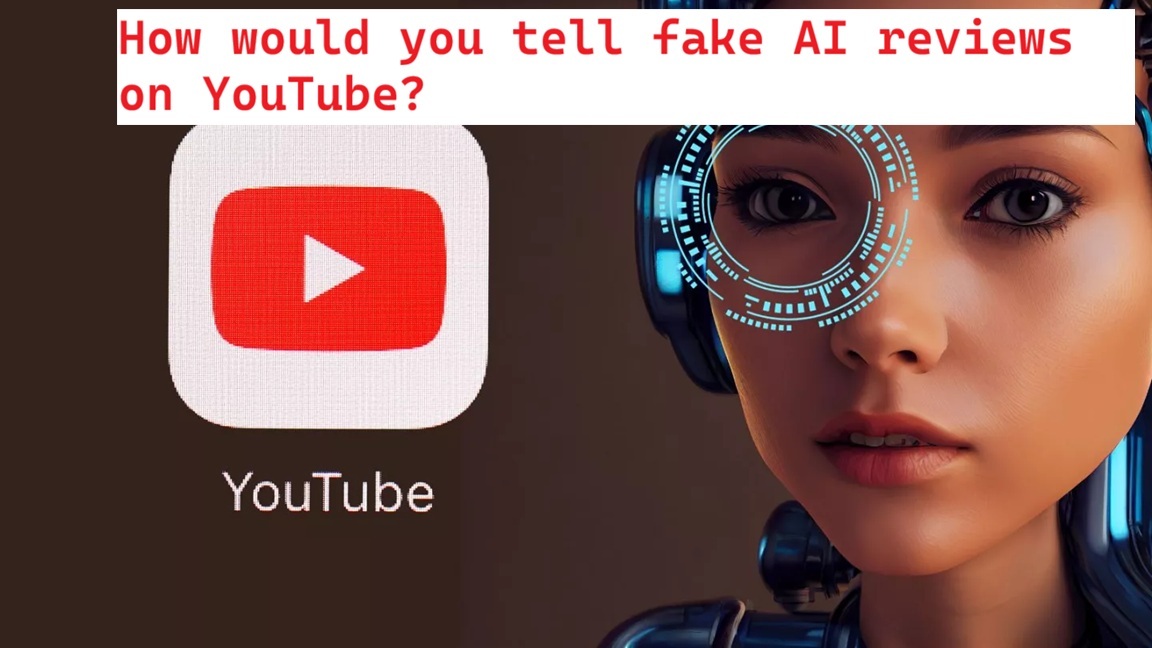
Fake AI review channels use a standard method to deceive viewers. The channels feature AI-generated avatars and synthetic voices to present a supposed product review.
These videos do not analyse the actual product. The entire review is based only on the product’s public landing page.
Each video concludes by recommending a specific competing product, which directs traffic and credibility away from the original brand.
Ways that AI Search Tools Propagate Fake Reviews
Large Language Models (LLMs) like ChatGPT and Google AI Overviews synthesise information from the web.
The models currently cite fake AI reviews as factual sources without critical evaluation.
AI search tools extract text from video transcripts without sufficient digital content verification. They accept AI-generated content as a legitimate review, which rapidly spreads misinformation.
Risks of AI Citations for Kenyan Businesses
Relying on AI-generated summaries for brand due diligence creates significant risks for Kenyan businesses.
A marketing manager in Kisumu might make a flawed partnership decision based on a summary sourced from a fake review.
This reliance leads to reputational damage, misinformed strategy, and unfair competition. The practice erodes genuine product reputation and consumer trust within the Kenyan market.
Kenya's 2026 Regulatory Position on AI Misinformation
The 2026 regulatory environment for AI-generated content in Kenya is underdeveloped.
This gap provides businesses and consumers with limited legal recourse against the spread of fake AI reviews.
The absence of clear regulations places the full burden of verification on each business. Proactive vigilance and internal fact-checking are therefore necessary parts of a digital strategy.
How to Verify Information Beyond AI Search in Kenya
Kenyan business owners must conduct a manual verification process for all brand and product research. This process requires cross-referencing information from multiple, reputable, non-AI-generated sources.
Primary Verification Sources
- Established trade publications.
- Verified user reviews on platforms like Google Business Profile.
- Direct contacts within the industry.
Identifying Fake Video Content
Critically evaluate video content for signs of AI generation. Check for AI avatars, synthetic voices, and reviews that only discuss landing page features instead of hands-on product use. Human oversight is the only reliable defense.
How to Protect a Kenyan Brand from Fake AI Reviews
Proactive brand reputation management is required to defend against fake AI reviews.
This involves monitoring brand mentions, establishing an authoritative presence, and responding to misinformation.
Proactive Brand Monitoring
Kenyan businesses should set up alerts to monitor online mentions of their brand and products. This monitoring should include platforms like YouTube where fake reviews appear.
Establish Authoritative Sources
A strong, official digital presence with clear, factual information creates an authoritative source for search engines. If misinformation appears, respond professionally and educate customers on identifying authentic content.
Transparent digital marketing practices build long-term consumer trust.
Summary of Threats and Defences
| Threat from AI | Business Impact | Recommended Defence |
|---|---|---|
| Search AI Citing Fake Reviews | Misinformed strategic decisions | Manual verification of all sources |
| Fake AI YouTube Channels | Reputational damage and lost traffic | Proactive brand monitoring alerts |
| Kenyan Regulatory Gaps (2026) | Limited or no legal recourse | Internal fact-checking policies |
Developing Digital Resilience Against Fake AI Reviews
Kenyan SMEs must adopt a standard of digital resilience against AI-driven misinformation. This standard requires embedding critical thinking and fact-checking into all business processes, including competitor analysis and partnership vetting.
A culture of strategic information consumption safeguards brand reputation. It ensures business decisions are based on accurate data, not on flawed AI summaries.
This vigilance is a requirement for businesses operating in Kenya's 2026 digital environment. [book an SEO consultation today]