How to Calculate Your Tour Company's Digital Runway and Organic Marketing ROI
Kenyan tour companies calculate marketing return on investment (ROI) for safari operations using two important formulas:
- The Break-Even Point (BEP)
- Customer Lifetime Value (CLV).
BEP for direct traffic is calculated as Fixed Costs / (Average Revenue Per Customer - Variable Costs Per Customer),
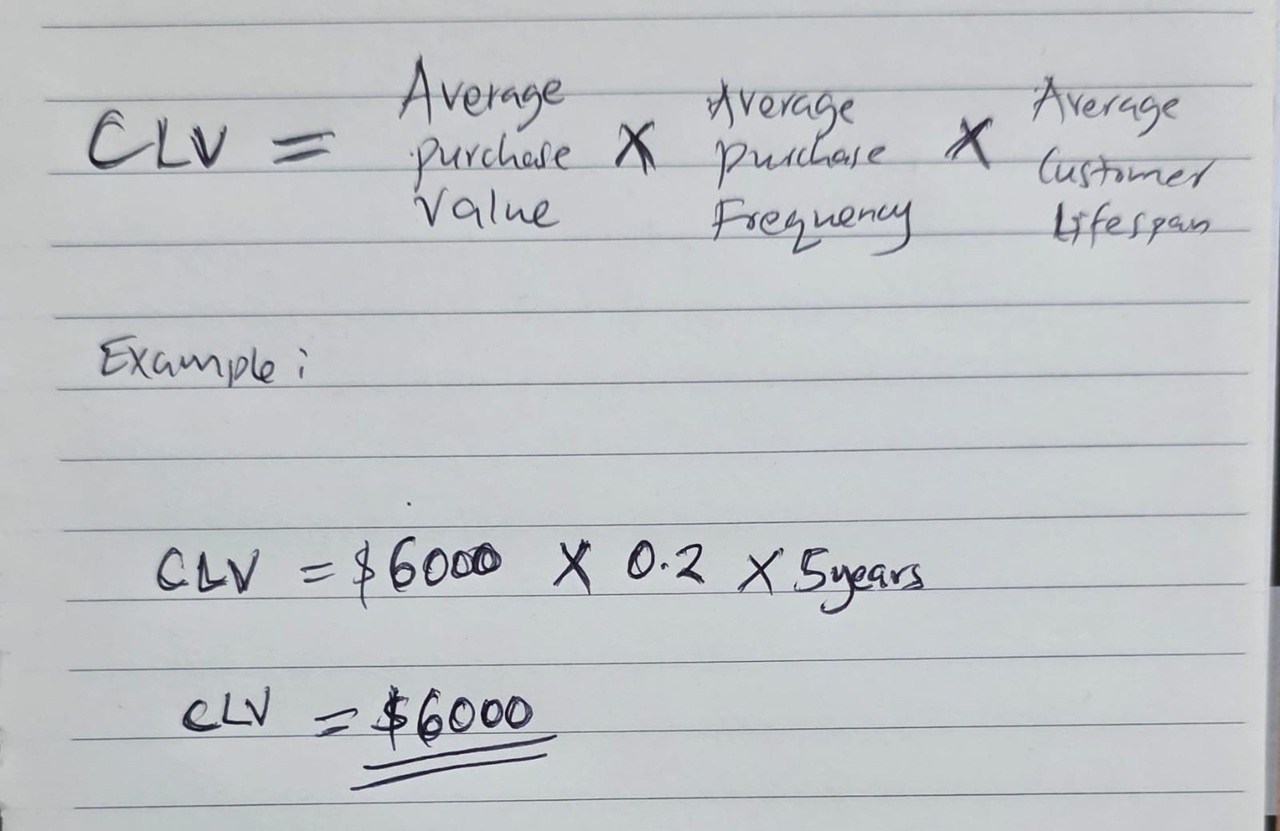
CLV is Average Purchase Value × Average Purchase Frequency × Average Customer Lifespan.
Benchmarking these metrics against SEO investment shows how a 1.5% site-wide conversion rate on organic traffic can increase net profit. This financial modelling is a strategic requirement for growth in 2026.
Break-Even Point Formula for Direct Organic Traffic for Tour Operators
The Break-Even Point (BEP) for your organic channel identifies the exact number of direct bookings needed to cover your digital marketing and operational costs.
It pinpoints the moment your investment begins to generate profit. The formula provides a precise figure for financial planning.
BEP (in number of customers) = Fixed Costs / (Average Revenue Per Customer - Variable Costs Per Customer)
To apply this to a safari business in Nairobi or Mombasa, you must define the components accurately:
- Fixed Costs: These are consistent monthly expenses, regardless of customer volume. For SEO, this includes your agency retainer or specialist's salary. Add other overheads like office rent and core staff salaries.
- Average Revenue Per Customer (ARPC): This is the average income from a single direct booking secured through your website. A 7-day Maasai Mara safari, for example, could generate $4,500.
- Variable Costs Per Customer (VCPC): These are costs incurred only when serving a customer. This includes Kenya Wildlife Service (KWS) park fees, guide wages for a specific tour, fuel, vehicle wear-and-tear, and accommodation costs paid to lodges.
If your monthly fixed costs (including SEO) are $5,000, your ARPC is $4,500, and your VCPC is $3,500, the profit per customer is $1,000. Your BEP is $5,000 / $1,000 = 5 customers.
You need to secure five direct organic bookings per month to break even on your investment.
How to Define and Measure Your Digital Runway for Organic Growth
Your 'Digital Runway' is the time, measured in months, that your tour company can operate and fund its digital marketing before the organic channel becomes self-sustaining.
This metric measures your investment's sustainability and helps prevent the premature termination of a sound strategy.
This metric connects directly to your Break-Even Point. If your monthly SEO investment is $2,000 and you have a total budget of $12,000 before you require a positive return, your initial runway is six months.
The goal of your SEO strategy is to reach the BEP booking volume within that six-month period.
Consistent investment in technical SEO and content extends this runway. As organic traffic and conversion rates increase, the monthly revenue from direct bookings begins to offset the investment cost.
This process reduces the 'burn rate' from your initial budget, lengthening your operational runway and stabilising your business during Kenya's low tourism seasons.
How Do You Calculate Customer Lifetime Value for Safari Bookings?
Customer Lifetime Value (CLV) projects the total net profit your business can expect from a single customer over the entire relationship.
For high-value international safari clients, this metric helps justify upfront technical SEO investments. The formula is direct.
CLV = Average Purchase Value × Average Purchase Frequency × Average Customer Lifespan
To calculate this, you need data from your CRM or booking records:
- Average Purchase Value: The average revenue from a booking. An international client booking might be $6,000.
- Average Purchase Frequency: How often a client books within a period. For international safaris, this is often low, perhaps 0.2 (one in five clients returns within a 5-year period).
- Average Customer Lifespan: The period over which a customer might book with you. A reasonable estimate for this high-consideration purchase could be 5 years.
Example: $6,000 (Average Purchase Value) x 0.2 (Purchase Frequency) x 5 (Customer Lifespan) = $6,000 CLV. This calculation means each new international customer acquired organically is worth $6,000 in revenue over five years. This figure provides a clear benchmark to measure against your Customer Acquisition Cost (CAC).
Upfront Technical Optimisation Investments
Upfront technical optimisation investments are the foundational SEO activities that create long-term value by improving your website's ability to rank and convert organic traffic.
These activities represent the necessary groundwork required to compete for direct international bookings.
Site Performance and User Trust
- Site Speed (Core Web Vitals): International visitors have varying internet quality. A fast-loading site (under 2.5 seconds) is a non-negotiable factor for user experience and search rankings.
- Mobile-First Design: Most travel research starts on mobile. Your website must provide a flawless, intuitive booking and enquiry experience on smartphones.
- Secure Hosting (HTTPS): SSL/TLS encryption is a mandatory trust signal that secures user data. It is a confirmed Google ranking factor and necessary for any site accepting online payments or enquiries.
Search Engine Visibility and Content
- Structured Data Implementation: Adding schema markup for tours, itineraries, and reviews helps your website appear with rich snippets in search results, increasing click-through rates.
- Crawlability and Indexability: A clean site structure, XML sitemaps, and a logical internal linking strategy ensure search engines can find and understand your key itinerary pages.
- Foundational Content and Keyword Strategy: Detailed keyword research helps to understand user intent and develop the initial cluster of high-quality itinerary pages that directly answer potential client queries.
What Is the Impact of a 1.5% Conversion Rate on Safari Net Profit?
A 1.5% site-wide conversion rate from direct international organic traffic significantly increases net profit. The impact is substantial because it eliminates intermediary commissions, which can reach 20-30% with Online Travel Agencies (OTAs).
Consider this 180-day (6-month) scenario for a safari operator:
Assume your site receives 10,000 organic visitors per month and the average booking value is $5,000 with a 25% net profit margin ($1,250 per booking).
- Scenario A (Current 0.5% Conversion Rate): 10,000 visitors x 0.5% = 50 bookings. 50 bookings x $1,250 net profit = $62,500 monthly net profit. Over 180 days, this amounts to $375,000.
- Scenario B (Target 1.5% Conversion Rate): 10,000 visitors x 1.5% = 150 bookings. 150 bookings x $1,250 net profit = $187,500 monthly net profit. Over 180 days, this amounts to $1,125,000.
Achieving this target rate triples your direct booking volume and net profit from the organic channel.
This uplift in revenue shortens your digital runway, accelerates your return on investment, and provides capital for further growth.
Strategies to Achieve a 1.5% Conversion Rate for Direct Bookings
Reaching a 1.5% conversion rate requires a systematic, trust-focused approach to on-site optimisation. This approach should be tailored for a high-value international audience making a significant purchase decision.
Website Usability and Trust Signals
- Simplify the Enquiry Process: Reduce the number of steps and form fields. Ensure the path to "Request a Quote" is clear, intuitive, and functions correctly on mobile devices.
- Use High-Quality, Authentic Visuals: Invest in professional photography and video of your actual safaris, vehicles, guides, and partner lodges. Authentic visuals build trust more effectively than generic stock photos.
- Display Prominent Trust Signals: Showcase affiliations (e.g., KATO membership), awards, and secure payment logos. Feature an easily accessible privacy policy and detailed contact information.
Content and Conversion Elements
- Showcase Compelling Social Proof: Integrate genuine, detailed customer testimonials and reviews (e.g., from TripAdvisor or Google) directly onto your relevant itinerary pages to validate the quality of the experience.
- Write Clear, Action-Oriented Calls-to-Action (CTAs): Use unambiguous and compelling CTAs like "Build Your Custom Safari" or "Check Availability & Pricing" instead of vague "Learn More" buttons.
- Conduct A/B Testing: Systematically test variations of your headlines, CTA button text, and enquiry form layouts. Use data to identify which versions perform best and make incremental improvements to your conversion rate.
What Key Metrics Track Organic Marketing ROI in Kenyan Tourism?
Accurate measurement of SEO return requires tracking Key Performance Indicators (KPIs) that connect technical performance to business outcomes. You must focus on financially-relevant metrics instead of vanity metrics like total traffic or impressions.
- Organic Conversion Rate: The percentage of visitors from organic search who complete a goal (e.g., enquiry submission). This is your most important ROI indicator.
- Revenue per Organic Visitor: Calculated by dividing total revenue from organic search by the number of organic visitors. This shows the direct monetary value of your traffic.
- Customer Acquisition Cost (CAC) from Organic: Divide your total monthly SEO investment by the number of new customers acquired organically. Your goal is to keep this well below your Customer Lifetime Value.
- Keyword Rankings for High-Intent Terms: Track your position for "money" keywords that indicate purchase intent, such as "luxury Maasai Mara safari packages".
- Progress Towards Break-Even Point (BEP): Monitor monthly direct organic bookings against your calculated BEP to see how close you are to profitability.
- Customer Lifetime Value (CLV): Track the CLV of customers acquired via organic search. A high CLV from this channel justifies sustained investment in SEO.
| Metric | Formula / Definition | Primary Goal |
|---|---|---|
| Break-Even Point (BEP) | Fixed Costs / (ARPC - VCPC) | Reach this number of monthly bookings to achieve profitability. |
| Customer Lifetime Value (CLV) | Avg. Purchase Value x Avg. Purchase Freq. x Avg. Customer Lifespan | Ensure CLV is significantly higher than CAC. |
| Customer Acquisition Cost (CAC) | Monthly SEO Spend / New Organic Customers | Continuously lower this cost through SEO efficiencies. |
| Organic Conversion Rate | (Organic Conversions / Organic Visitors) x 100 | Achieve and exceed a 1.5% site-wide benchmark. |
How Can Domestic Tourism Improve Your Digital Runway and ROI?
Domestic and regional tourism represent an underutilised market for many Kenyan safari operators. Actively targeting Kenyan and East African markets provides a buffer during international low seasons and strengthens your overall digital runway.
The main strategy to convert this audience is reducing payment friction. Integrating M-Pesa directly into your booking engine is a powerful conversion driver for local clients.
A customer in Nairobi is more likely to book a weekend trip to Naivasha or Amboseli if they can pay instantly with M-Pesa instead of using a credit card gateway designed for international tourists.
Developing specific packages for the domestic market and promoting them through targeted SEO (e.g., "weekend getaway deals from Nairobi") creates an additional, more stable revenue stream.
This diversification makes your business more resilient to global travel fluctuations and strengthens your financial foundation.
What Are Advanced SEO Strategies for Kenyan Tour Operators?
Advanced SEO strategies provide a competitive advantage once a solid technical foundation is in place. These tactics build authority and target high-value clients with precision.
- Advanced Keyword and Competitor Analysis: Move beyond basic keywords to target long-tail queries ("best time for wildebeest migration safari with kids"). Analyse top-ranking competitors to identify content gaps and backlink opportunities.
- Content Cluster Creation: Develop a central 'pillar' page for a major topic like "Kenya Safaris" and support it with 'cluster' content on specific subtopics (e.g., "Great Migration guide," "Tsavo National Park costs"). This structure signals expertise to search engines.
- Ethical Backlink Acquisition: Earn links from reputable travel blogs, international publications, and Kenyan tourism authorities. High-quality backlinks are a primary signal of your website's authority.
- Geo-Targeted Content for Key Markets: Create specific landing pages and content tailored to high-value international audiences. A page addressing visa information and packing lists for visitors from the USA or UK can improve relevance and conversions for that segment.
- Proactive Content Refreshes and Technical Audits: SEO is an ongoing process. Regularly update key itinerary pages with new information to keep them fresh. Conduct quarterly technical audits to fix issues like broken links or slow page speed before they impact rankings.
[Book an SEO consultation to discuss advanced strategies]
How Do You Track Organic Marketing ROI with GA4 and Search Console?
Accurate measurement is the final component of a successful SEO strategy. Google Analytics 4 (GA4) and Google Search Console are the two primary tools for this purpose.
Google Search Console helps you understand your visibility in search results. The platform shows which keywords drive clicks to your site, your average ranking position, and your click-through rate.
It also provides alerts for technical issues that could hinder performance, such as crawl errors or mobile usability problems.
Google Analytics 4 helps you understand user behaviour on your site. Setting up conversion events for key actions like enquiry form submissions allows you to track the entire user journey.
The traffic acquisition report lets you segment by 'Organic Search' to see exactly how many conversions and how much revenue that channel generates. Combining these two data sources gives you a precise, quantifiable measure of your organic marketing ROI.